
Padel Court Groundworks and Foundations Explained
17 January 2026
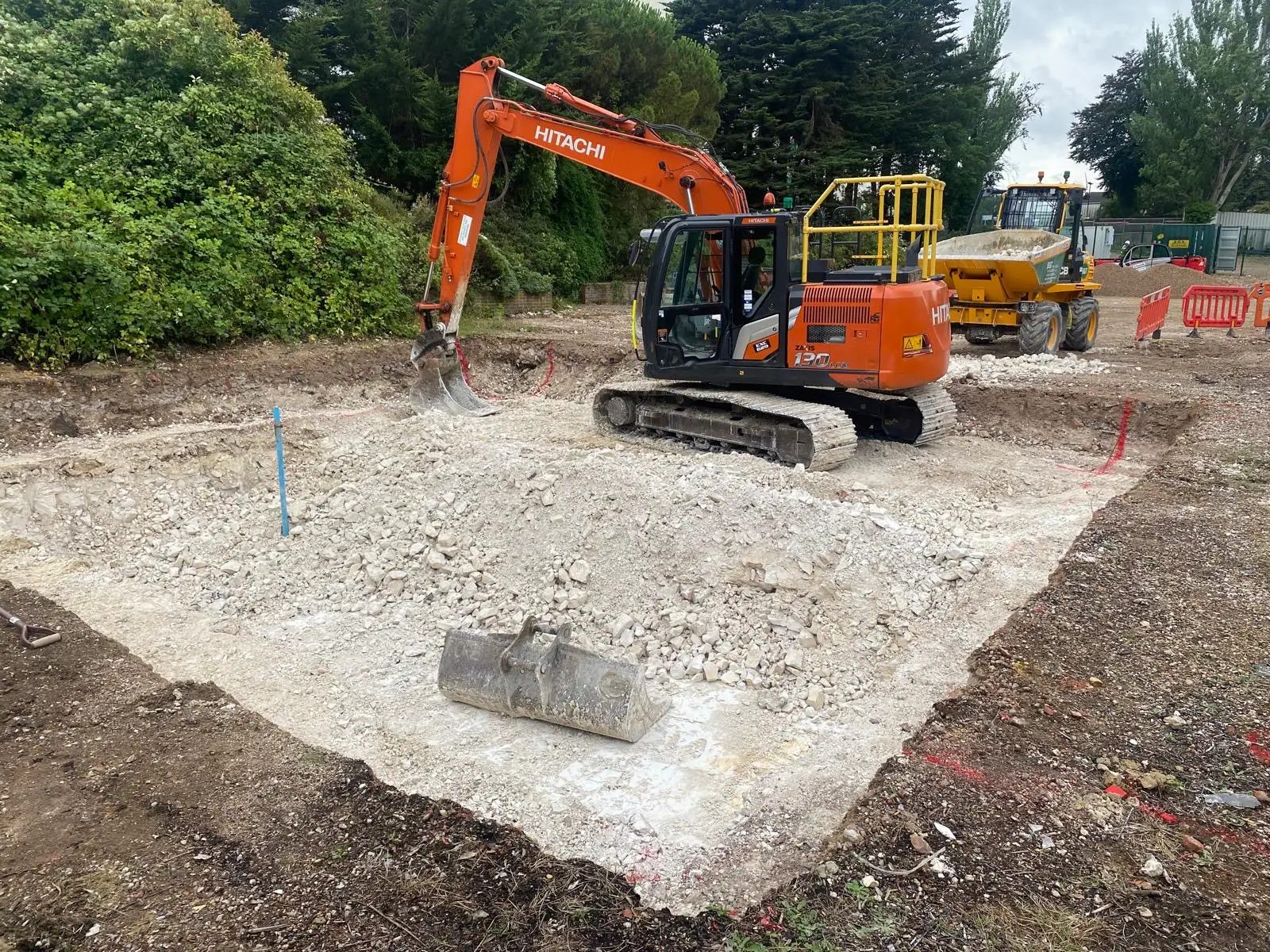
Why the Base of Your Court Determines Everything Above It
If you are serious about building a padel court that performs properly and lasts for decades, the most important decision you will make is not the court model, the glass, or the turf. It is the groundworks and foundations beneath the court.
This is where most padel projects succeed or fail, and where true expertise makes all the difference.
Why Groundworks Matter More Than the Court Structure
A padel court is a precision structure. Glass panels, steel frames, turf systems, and lighting all rely on a perfectly stable and accurate base.
Once groundworks are complete, they cannot be easily corrected. Superstructures can be adjusted. Turf can be replaced. Lighting can be upgraded. Foundations cannot.
Poor groundworks lead to:
- Uneven ball bounce
- Frame misalignment
- Glass stress and cracking
- Drainage failures
- Increased noise and vibration
- Long-term structural movement
This is why experienced contractors treat groundworks as the most important phase of the entire project.
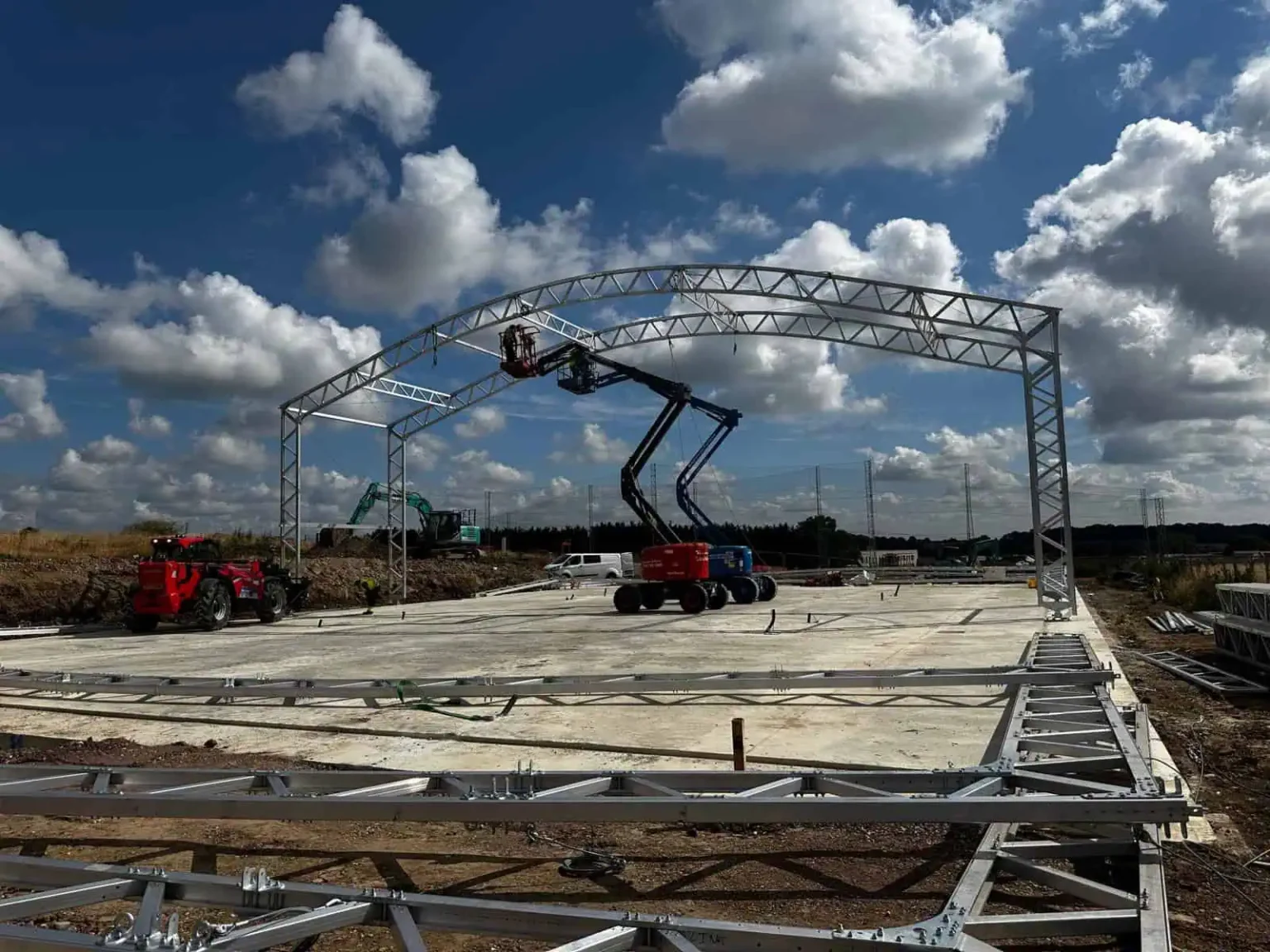
Typical UK Ground Conditions and Their Impact
The UK presents a wide range of ground conditions that directly affect padel court foundations. Ignoring these conditions is one of the most common causes of failure.
Clay soils
Common across large parts of southern England. Clay expands when wet and shrinks when dry. Without proper design, this movement causes cracking and slab distortion.
Chalk and limestone
Often provide good drainage, but can include voids and variable bearing capacity. Slab design must account for uneven support.
Made ground and infill
Common on former industrial or commercial sites. This ground is unpredictable and requires thorough investigation before construction.
Coastal environments
Introduce corrosion risks and higher moisture exposure. Protective detailing and material selection are critical.
Lofthouse employs advanced geotechnical assessment techniques to thoroughly evaluate soil conditions before finalising slab design. This ensures the foundation is engineered for the specific site, not a generic assumption, guaranteeing optimal performance and longevity.
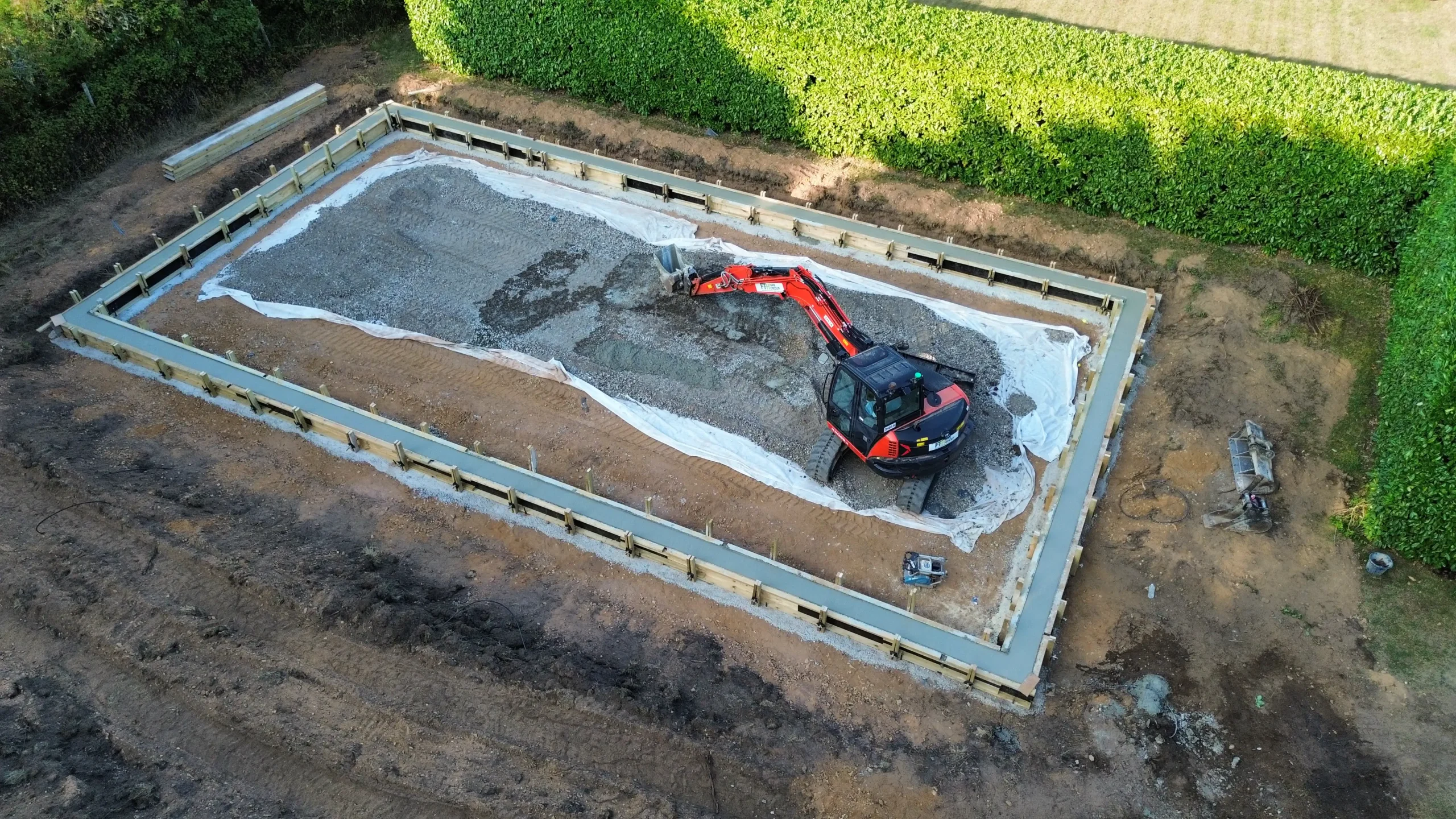
Concrete Slab Design for Padel Courts
A padel court slab is not a standard concrete base. It is a precision-engineered structural element.
Key considerations include:
- Slab thickness appropriate to ground conditions
- Reinforcement design to control cracking
- Load distribution from steel frames and glass
- Long-term resistance to settlement
At Lofthouse, our structural engineers meticulously design each concrete slab to support both static loads and dynamic forces created by player movement and ball impact. Incorrect slab design is one of the most expensive mistakes in padel court construction, often requiring the full court to be removed for repair.
Level Tolerances and Rebound Accuracy
Padel demands tighter tolerances than many other sports courts.
Small deviations in level can affect:
- Ball rebound consistency
- Player footwork
- Drainage performance
- Frame alignment
Indoor padel court construction is even more sensitive, as there is no gradient to disguise imperfections.
Lofthouse’s groundworks team, comprised of highly experienced professionals, adheres to the industry’s most stringent level tolerances, aiming for minimal deviation across the entire court footprint. This level of accuracy requires experienced groundworkers and careful quality control, which are hallmarks of our service.
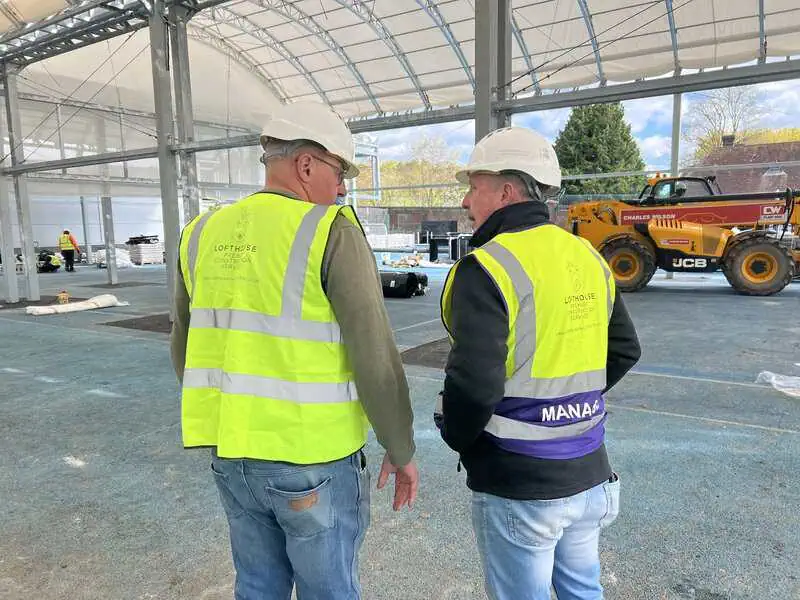
Drainage and Moisture Control
Drainage is often underestimated. Poor water management leads to surface degradation, algae growth, and reduced playing quality.
Outdoor courts
Require controlled falls and perimeter drainage to efficiently remove surface water.
Indoor courts
Still require efficient moisture control. Ground moisture, condensation, and humidity can affect slab integrity and turf performance.
Effective drainage design considers:
- Sub base preparation
- Perimeter channels
- Moisture barriers
- Local rainfall patterns
This is not a one-size solution. Lofthouse’s drainage experts develop bespoke solutions, ensuring each site receives a tailored approach for optimal water management.
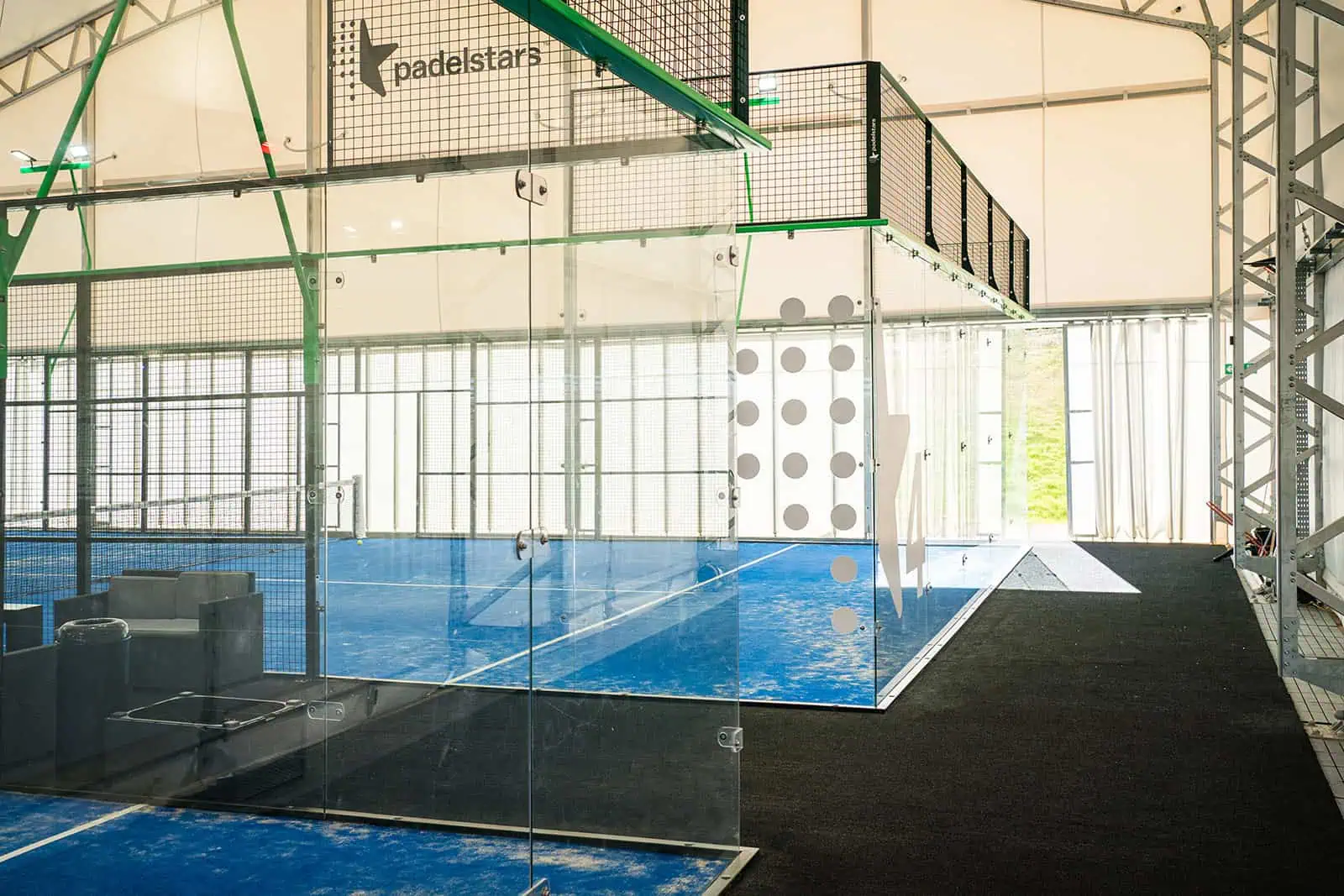
Indoor Padel Court Groundworks Differences
Indoor padel court groundworks differ significantly from outdoor projects.
- Flat slab requirements without gradient
- Higher load concentration
- Moisture barriers and vapour control
- Vibration isolation within buildings
Indoor slabs must remain stable over time, as any movement is immediately visible and disruptive. This is especially important in warehouse conversions and multi-court facilities, where Lofthouse’s expertise in complex structural solutions is invaluable.
Vibration and Noise Transfer Through Foundations
Padel generates impact energy. In enclosed environments, this energy travels through the structure if not properly controlled.
- How vibration transfers into surrounding buildings
- Noise amplification through rigid connections
- Padel court planning compliance in mixed-use areas
Lofthouse Padel Court Specialists are pioneers in integrating advanced vibration isolation techniques at the foundation level, significantly reducing vibration transfer. This improves player comfort and reduces complaints from neighbouring spaces, a major differentiator in professional installations that few builders address at ground level.
Common Groundworks Failures We See
Most remedial work stems from the same issues.
- Inadequate soil assessment
- Incorrect slab thickness
- Poor reinforcement detailing
- Insufficient drainage
- Rushed curing and finishing
These issues often appear months or years after installation, when repair is most disruptive and costly.
Remedial Work and Cost Implications
Correcting groundworks failures is rarely simple.
Typical remediation may involve:
- Removing the entire court structure
- Breaking out the slab
- Rebuilding foundations
- Reinstalling the court
This is expensive, time-consuming, and disruptive to operations.
Investing properly in groundworks from the outset is always more cost-effective.
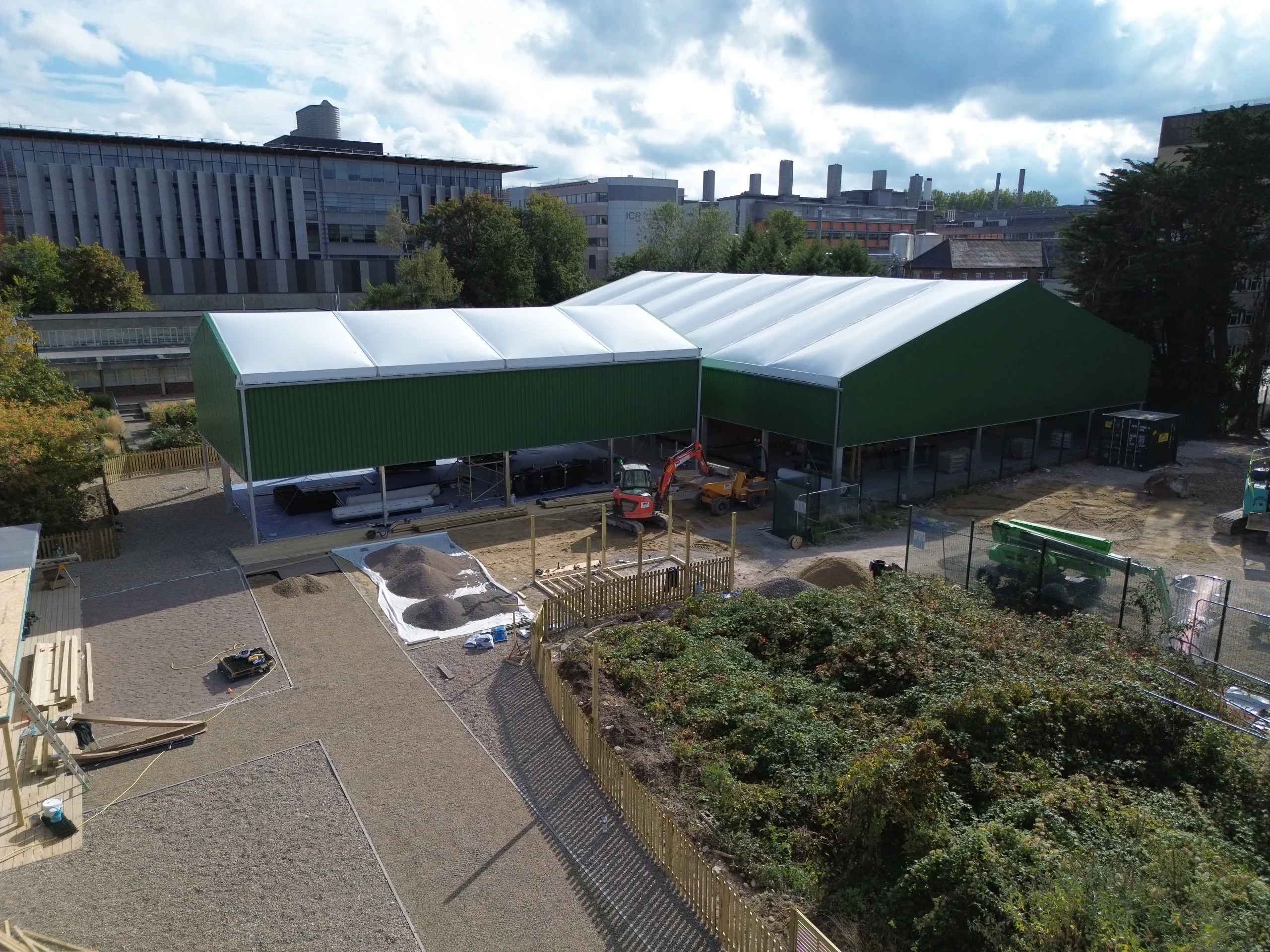
Choosing a Specialist for Padel Court Groundworks
Not all builders understand padel. Groundworks for padel courts require both sports construction knowledge and traditional construction expertise.
Lofthouse Padel Court Specialists stands apart by integrating full construction engineering expertise with deep padel-specific knowledge. Our in-house groundworks teams are not merely installers; they are structural professionals who offer:
- In-house groundworks capability
- Structural understanding
- Extensive experience with padel-specific tolerances
- Seamless integration with planning and compliance
Lofthouse Padel Court Specialists brings full construction experience to every project. Groundworks are delivered by professionals who understand long-term performance, not just installation speed.
Start With the Right Foundation
Every great padel court starts below ground.
If you want a court that plays consistently, protects your investment, and avoids costly future problems, groundworks must be engineered correctly from day one.
Lofthouse Padel Court Specialists deliver complete padel court construction, from initial ground assessment through to final commissioning. Our team understands how foundations affect every aspect of performance and longevity.
Why Trust Lofthouse Padel Court Specialists?
As part of the esteemed Lofthouse Construction Group, Lofthouse Padel Court Specialists bring a legacy of robust construction engineering to every project. Our approach is rooted in decades of experience, ensuring your padel court foundation is not just built, but engineered for excellence. Here’s why clients choose us for their critical groundworks:
- Deep Engineering Expertise: We approach padel construction from a full construction engineering perspective, treating groundworks, structural preparation, and long-term performance as critical building disciplines rather than preliminary tasks.
- Part of Lofthouse Construction Group: Our affiliation provides unparalleled access to extensive resources, advanced methodologies, and a proven track record in complex construction projects across the UK.
- Site-Specific Solutions: We never rely on generic assumptions. Every project begins with a thorough geotechnical assessment and ground condition analysis to engineer a foundation precisely for your site.
- Uncompromising Quality & Precision: Padel demands tighter tolerances than many other sports. Our experienced groundworkers and rigorous quality control ensure minimal deviation, critical for consistent ball bounce and structural integrity.
- Long-Term Performance & Investment Protection: Our focus is on building foundations that last for decades, preventing expensive remedial work and protecting your entire investment from day one.
- Holistic Approach to Challenges: From advanced drainage solutions tailored to local rainfall patterns to pioneering vibration and noise isolation techniques, we address every aspect of court performance and environmental impact.
If you want a padel court that stays level, plays consistently, and avoids expensive remedial work, speak to our team before groundworks begin. Early decisions here protect your entire investment.
Ready to Build Your Padel Court Right?
Don’t leave your investment to chance. Partner with the UK’s leading padel court groundworks specialists.
If you are planning a padel court project, contact our team today. A single conversation at this stage can save years of frustration and unnecessary cost.
Build it right. Build it once. Build with Lofthouse.
Lofthouse Padel Court Specialists
Looking to bring padel to your home, school, or sports facility?
At Lofthouse Padel Court Specialists, we design and build premium courts tailored to your space, goals, and budget. From planning permission to professional installation, we handle everything with expertise and care.
Get in touch today to start your padel court project with trusted UK specialists.
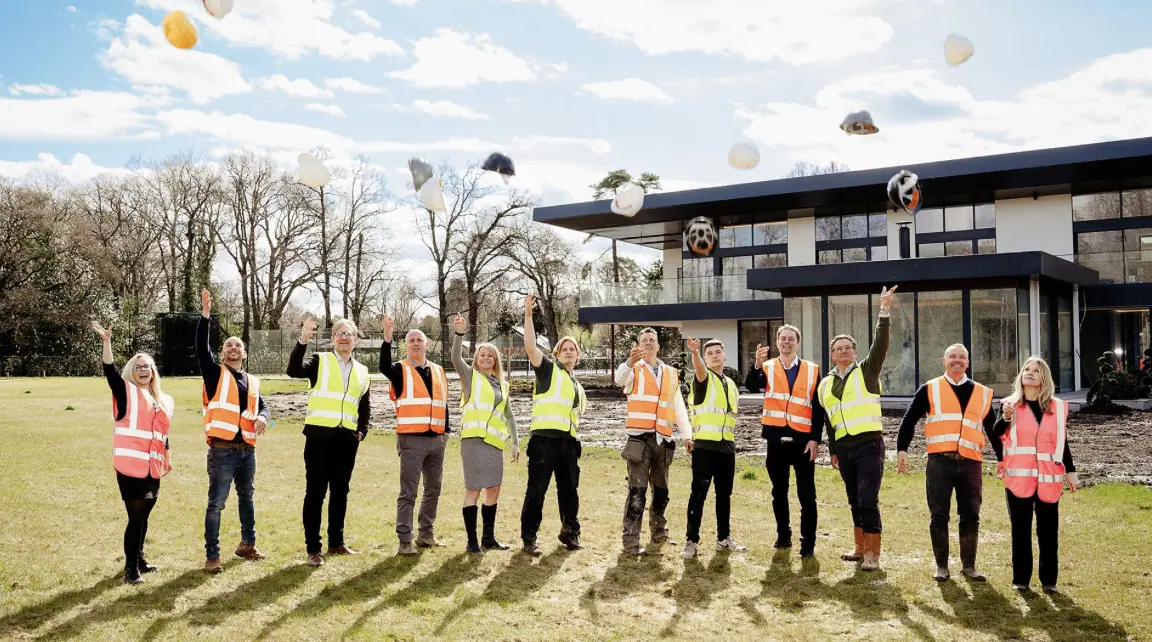
Lofthouse Padel Court Specialists was established by David Lofthouse to make padel courts more available throughout the UK.
Build your padel court
Lofthouse Padel Court Specialists specialise in designing and building padel courts.
From the initial idea to the completed padel court, we do everything. Get in touch today and get your padel court built.
Request a Padel Brochure
Curious about building a Padel court?
Request our FREE brochure to explore court options, pricing insights, and what’s included—everything you need to plan your ideal padel facility.